
What Does OSS Mean in Jiu Jitsu and Judo
Discover the origin and meaning of OSS (Osu), the most common expression in Japanese martial arts. Learn when and how to use it correctly at your academy.
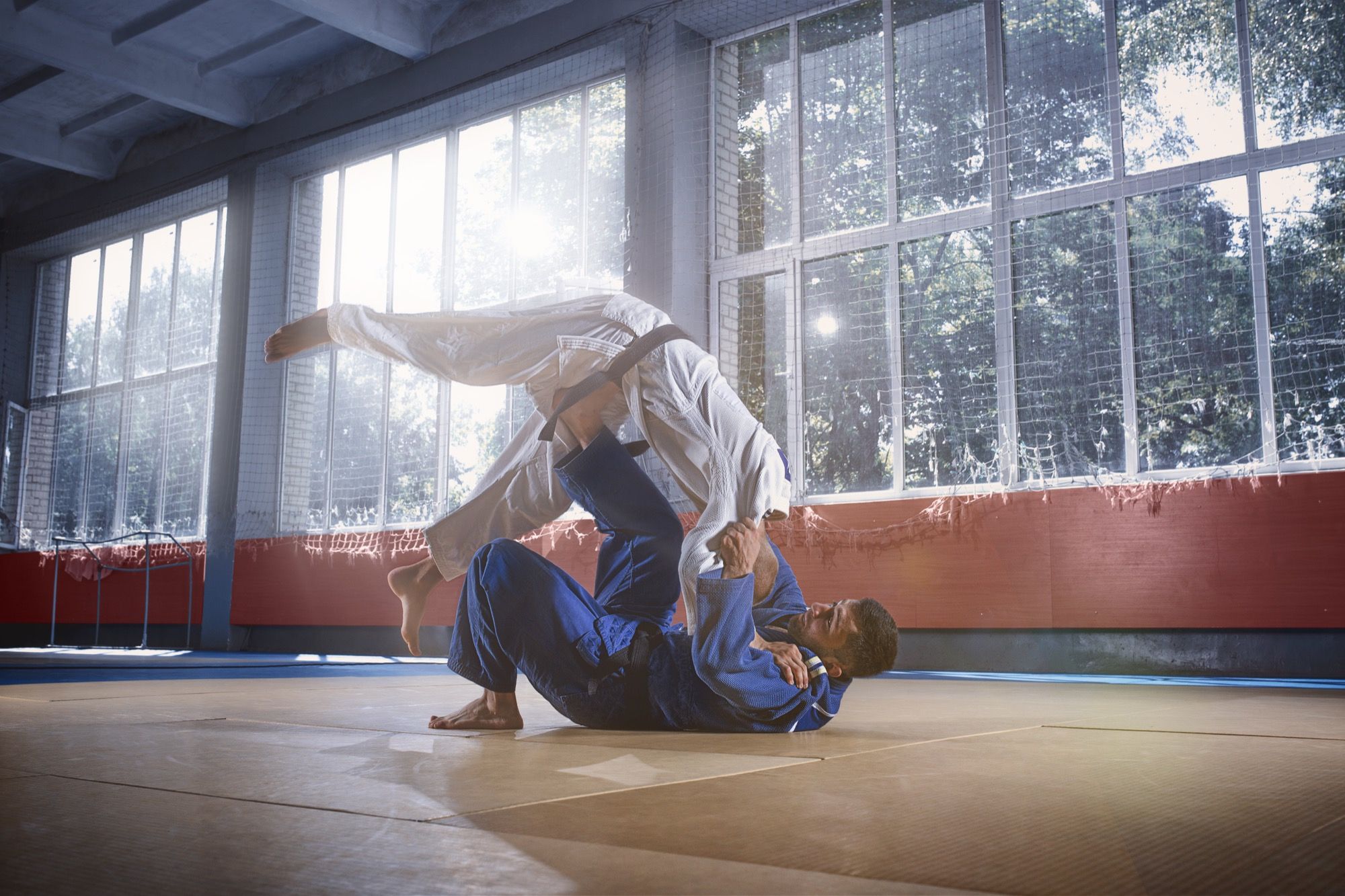
If you train Jiu Jitsu, Judo, or any Japanese martial art, you’ve surely heard (and probably said) “OSS” many times. But do you really know what it means and where it comes from?
The Origin of OSS
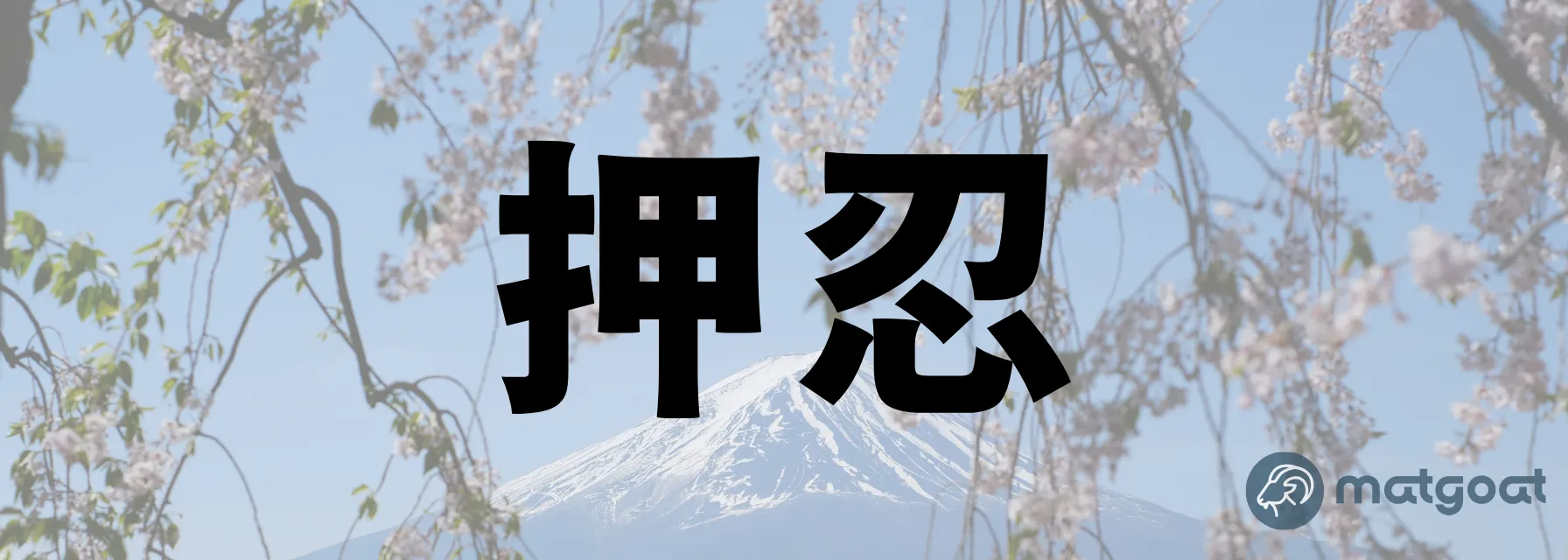
OSS, also written as “Osu” or “Ossu” (Japanese: おす or おっす), is a casual greeting in Japanese typically associated with male practitioners of Japanese martial arts such as karate, kendo, and judo.
Theories About Its Origin
There are various theories about the origin of OSS. The term may have originated before World War II in:
- The Imperial Japanese Navy.
- The Kyoto Budo Senmon Gakko of the Dai Nippon Butoku Kai.
- The sumo club at Takushoku University.
The most accepted theory is that OSS is a rough contraction of ohayō gozaimasu (おはようございます), meaning “good morning.” Over time, this formal expression was shortened to a more masculine and direct sound.
The Kanji 押忍
OSS can be written in kanji as 押忍, but these characters are ateji: kanji applied after the term became common, not its original source. These kanji combine “push” (押) and “endure” (忍), which has led to the popular interpretation of “persevering under pressure,” although this is not the original etymology.
An important fact: OSS did not originate from Okinawa, the birthplace of karate. In fact, it is not used in traditional Okinawan karate dojos today.
What OSS Means in Practice
In the context of martial arts, OSS functions as a multi-purpose expression:
- Greeting. When entering or leaving the mat.
- Affirmation. Equivalent to “understood” or “yessir!” when a subordinate is responding to a teacher, superior officer, or sempai.
- Respect. Toward the instructor, training partners, or the art itself.
- Gratitude. After receiving instruction or sparring.
- Motivation. To express determination and fighting spirit.
It’s a word loaded with meaning that conveys respect, humility, and commitment to training.
OSS in Judo vs Brazilian Jiu Jitsu
In Judo
In traditional Judo, the use of OSS is common but varies depending on the school and country. Some dojos use it frequently, while others prefer more formal greeting methods like “Rei” (礼) or simply a silent bow.
In Japan, using OSS can be considered informal or even inappropriate in very traditional contexts. It’s more associated with military or university environments than with classical budō.
In Brazilian Jiu Jitsu
In BJJ, OSS has become an essential part of the culture. Brazilian influence gave it a more relaxed and universal feel. In most BJJ academies you’ll hear OSS:
- At the beginning and end of class.
- When bumping fists before a roll.
- As a response when the professor explains a technique.
- In competitions, when greeting your opponent.
BJJ adopted the expression and made it its own, turning it into a symbol of the global community of practitioners.
In Karate
In karate, especially in styles like Kyokushin, there is an emphasis on fostering “osu no seishin” or the “spirit of osu” in training. This refers to the attitude of patience, determination, and perseverance expected of martial artists.
When to Use OSS (and When Not To)
Appropriate situations
- When greeting your professor or training partners.
- When you understand an instruction.
- To thank someone after training with them.
- To motivate yourself or others.
Situations to be careful
- In Japan. Excessive use can be seen as unsophisticated.
- In very formal contexts. Some traditional schools prefer other forms of greeting.
- Outside the mat. Using it in everyday contexts can seem odd.
The key is to observe your academy’s culture. If everyone says OSS, go ahead. If nobody says it, there’s probably a reason.
Correct Pronunciation
The correct pronunciation is closer to “OSS” than “O-SU.” It’s a short and emphatic sound:
- Correct: A brief “OSS” with emphasis on the “S.”
- Incorrect: A drawn-out “Ooooosu” or a hissed “Oshh.”
It should sound strong and decisive, not mumbled or exaggerated.
The Spirit Behind OSS
Beyond its practical use, OSS represents fundamental martial arts values:
- Perseverance. Keep going even when training is hard.
- Respect. Toward the art, the masters, and training partners.
- Humility. Recognizing there’s always more to learn.
- Community. Feeling part of something bigger than yourself.
When you say OSS, it’s not just a greeting. It’s a statement that you accept the path of training with all its difficulties.
In Summary
OSS is much more than a word: it’s a symbol of the martial spirit. Whether you train Judo, BJJ, Karate, or any martial art with Japanese influence, understanding its meaning connects you with a tradition of respect and perseverance.
The next time you say OSS at your academy, do it with intention. It’s not just a habit: it’s a way of honoring the path you’ve chosen.
OSS.
This article is part of MatGoat’s content on martial arts culture. For more resources on how to manage a BJJ academy, explore our guides.

BJJ practitioner, blue belt, always eager to keep learning and improving. Software engineer for over 15 years, I founded MatGoat to help BJJ and MMA academies continue growing.


