
BJJ Belt Distribution: 40,000 Practitioners
Discover what percentage of BJJ practitioners reach each belt. Real data from BeltChecker.com with over 40,000 records analyzed.
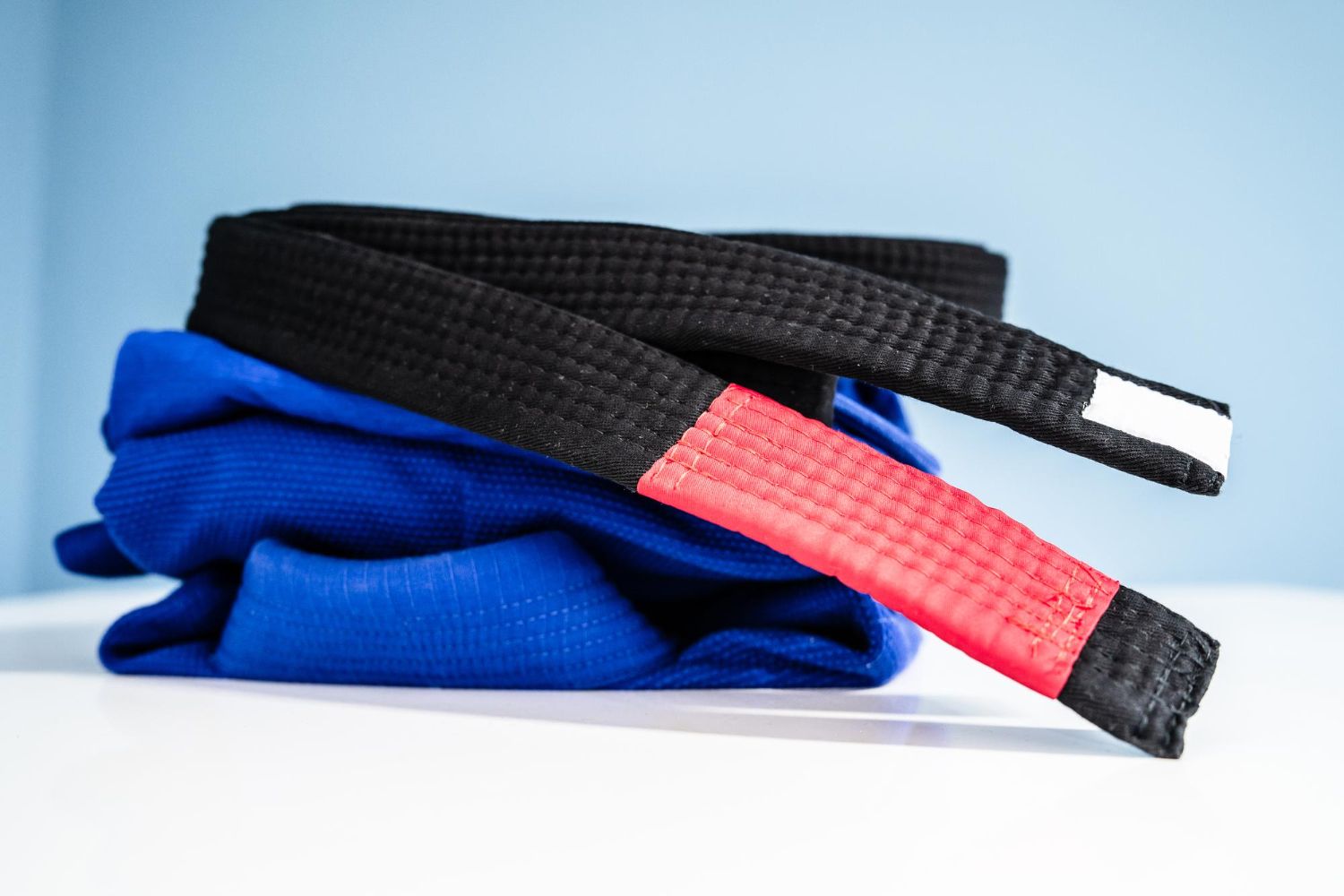
Have you ever wondered how many BJJ practitioners actually reach black belt? The answer might surprise you: only 16% of registered practitioners hold a black belt. For every black belt, there are 2.4 white belts still on the mats.
These statistics come from an analysis of over 40,000 practitioners registered on BeltChecker.com, one of the most comprehensive databases in the Brazilian Jiu Jitsu world.
The Data Source: BeltChecker.com
Before diving into the numbers, it’s important to understand where they come from. BeltChecker.com is a platform where BJJ practitioners can register their progress, verify their lineage, and connect with the global community.
The database contains:
- Over 40,000 registered practitioners.
- Verified information about belts and promotions.
- Demographic data including age and gender.
- Time history at each belt.
This data represents active practitioners who have taken the time to register, which suggests a bias toward more committed practitioners.
Complete Belt Distribution
Here are the numbers that define the BJJ pyramid:
| Belt | Count | Percentage |
|---|---|---|
| White | 15,377 | 38.4% |
| Blue | 8,763 | 21.9% |
| Purple | 5,370 | 13.4% |
| Brown | 3,221 | 8.0% |
| Black (all degrees) | ~6,314 | 15.8% |
| Total | ~40,000 | 100% |
The picture is clear: BJJ is a pyramid where the base (white belts) is significantly wider than the top.
The BJJ Pyramid: Analysis by Level
White Belt: The Base (38.4%)
Nearly 4 out of every 10 registered practitioners are white belts. This number reflects several realities:
- High entry rate of new practitioners.
- Significant dropout before reaching blue.
- White belt can last from 1 to 3+ years.
White belt is where most people quit. Industry statistics suggest that between 50% and 70% of those who start BJJ never reach blue belt.
Blue Belt: The Great Filter (21.9%)
Blue belt represents approximately 22% of practitioners. This is where what many call “blue belt blues” occurs: a massive drop-off of practitioners who quit after achieving their first significant milestone.
Why do so many quit at blue?
- Premature satisfaction after reaching the initial goal.
- Realization of how far it still is to black.
- Life priority changes (work, family, injuries).
- Unmet expectations about the pace of progress.
If you want to learn more about the transition from white to blue, check out our article on how long it takes to get a blue belt.
Purple Belt: The Middle Zone (13.4%)
Only 13% of practitioners reach purple belt. This is a significant turning point:
- Purples have already demonstrated long-term commitment.
- Most have been training for 5-7 years.
- Dropout decreases considerably from here.
Purple belt marks the transition from “practitioner” to “veteran.” Those who reach this level generally continue to black.
Brown Belt: The Gateway (8.0%)
Only 8 out of every 100 registered practitioners are brown belts. This is the shortest belt in duration but most intense in preparation:
- Typically 1-2 years at this rank.
- Final preparation for black.
- High level of commitment and dedication.
Black Belt: The Summit (15.8%)
16% of registered practitioners are black belts. This percentage may seem high, but consider:
- Black belts are more likely to register in databases.
- Many whites and blues quit without registering.
- Black belts remain active in the community for decades.
Black Belt Degree Breakdown
Not all black belts are equal. The system includes degrees that reflect decades of dedication:
| Degree | Minimum Time | Description |
|---|---|---|
| 1st Degree | - | Newly promoted to black |
| 2nd Degree | 3 years | Consolidation |
| 3rd Degree | 3 more years | Experienced instructor |
| 4th Degree | 3 more years | Veteran professor |
| 5th Degree | 5 more years | Recognized master |
| 6th Degree | 5 more years | Red and black belt (coral) |
| 7th Degree | 7 more years | Consolidated coral |
| 8th Degree | 7 more years | Red and white belt |
| 9th Degree | 10 more years | Grand Master (red) |
| 10th Degree | - | Reserved for pioneers |
Coral (red and black) and red belts are extremely rare. Only a few dozen living red belts exist in the world.
What These Numbers Mean for Your Academy
If you’re an academy owner or instructor, these statistics offer valuable insights:
Retention is Key
The most significant drop-off occurs between white and blue. Strategies to improve retention:
- Structured onboarding programs for new students.
- Active follow-up with students who stop attending.
- Celebration of small achievements (stripes, attendance).
- Strong community beyond the mats.
Blue Belt Blues is Real
Prepare your blue belts for the plateau ahead:
- Set realistic expectations about the path to purple.
- Offer leadership roles (helping whites, leading warmups).
- Encourage competition or seminars to renew motivation.
Purples Are Your Backbone
With only 13% reaching this level, every purple belt is valuable:
- They are role models for lower ranks.
- They can assist in teaching.
- Their permanence predicts they’ll reach black.
Comparison with Global Reality
It’s important to note that this BeltChecker.com data represents practitioners who actively registered. The actual global distribution likely shows:
- Higher percentage of white belts (many don’t register).
- Lower percentage of black belts.
- The same pyramid trend, but more pronounced.
It’s estimated that there are between 2 and 4 million BJJ practitioners worldwide. Applying similar proportions, there would be between 300,000 and 600,000 black belts globally.
What This Means for You
If You’re a White Belt
You’re in good company: nearly 40% of the community is with you. Your goal now is simple: don’t be part of the 50-70% who quit before blue. Focus on:
- Consistent attendance.
- Building relationships at your academy.
- Enjoying the process, not just the result.
If You’re a Blue Belt
You’ve overcome the first major filter. Now comes the second challenge: blue belt blues. Remember:
- Purple is closer than you think.
- The plateau is temporary.
- Seek new goals (competition, teaching, specific techniques).
If You’re Purple or Higher
You’re part of a statistical elite. Only 22% of those who ever put on a gi get where you are. Your responsibility now includes:
- Being an example for lower ranks.
- Contributing to your academy’s retention.
- Passing knowledge to the next generation.
Summary
BJJ belt distribution forms a clear pyramid:
- 38% white belts. The base, with high turnover.
- 22% blue belts. The great filter where many quit.
- 13% purple belts. The point of no return.
- 8% brown belts. The gateway to black.
- 16% black belts. The summit, representing decades of dedication.
These numbers aren’t meant to discourage you, but to put things in perspective. Every belt you reach places you in an increasingly select group of committed practitioners.
BJJ is not a sprint, it’s a marathon. And like every marathon, most don’t finish it. But those who do discover that the reward isn’t in the belt, but in the journey.
OSS. 🤙

BJJ practitioner, blue belt, always eager to keep learning and improving. Software engineer for over 15 years, I founded MatGoat to help BJJ and MMA academies continue growing.


