
BJJ Belt Distribution in 40,000 Registered Profiles
A snapshot of current belts in roughly 40,000 BeltChecker profiles, with source and sampling limitations.
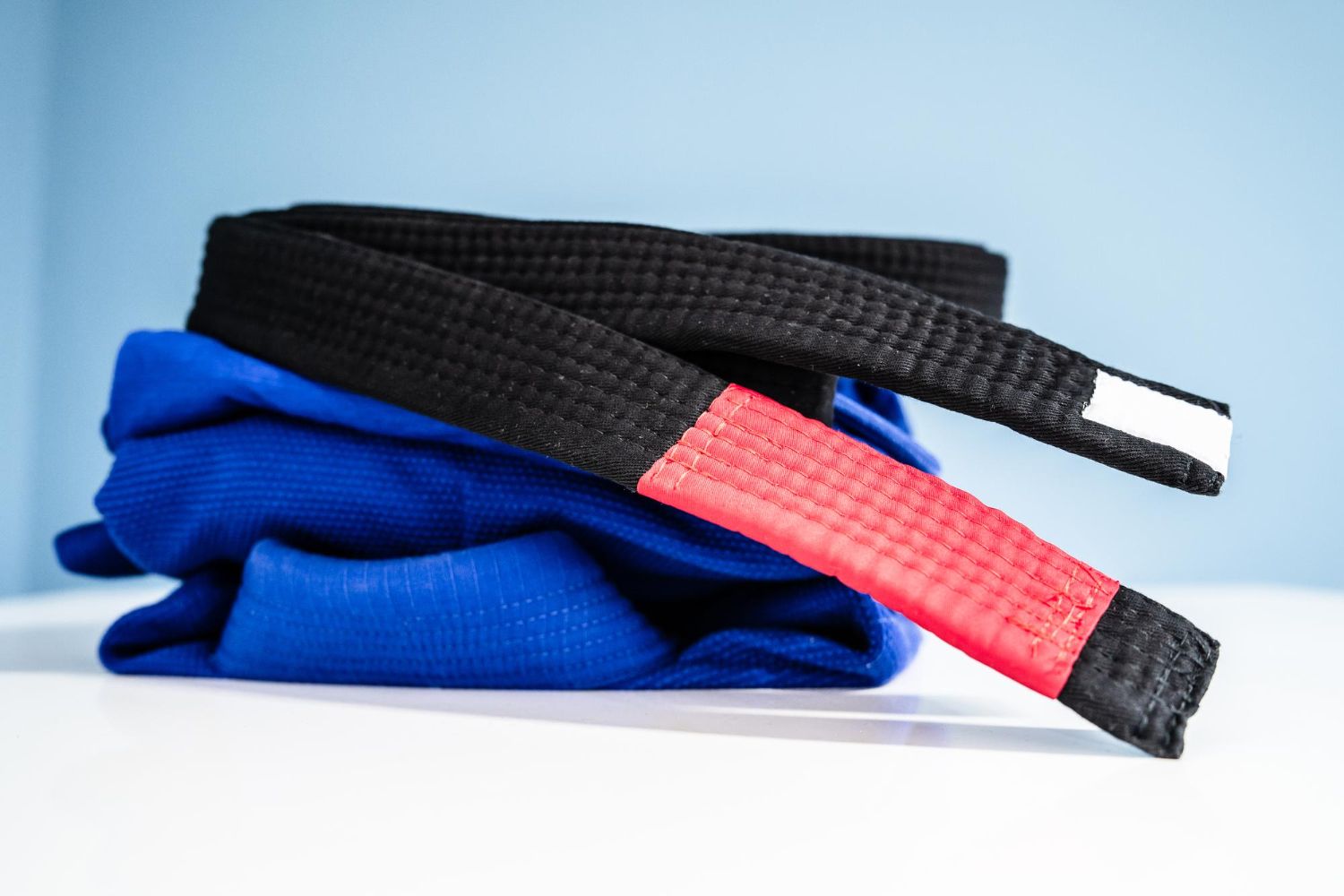
In the archived snapshot used for this article, 16% of registered BeltChecker profiles listed a black belt and there were 2.4 white-belt profiles per black-belt profile. This describes the site’s profile mix, not the probability that a beginner reaches black belt.
These figures were transcribed on January 19, 2026 from the global, self-selected profile counts on BeltChecker’s statistics pages. The snapshot contained roughly 40,000 profiles; counts were aggregated and no personal data was copied.
The Data Source: BeltChecker.com
Before diving into the numbers, it’s important to understand where they come from. BeltChecker.com is a platform where BJJ practitioners can register their progress, verify their lineage, and connect with the global community.
The database contains:
- Over 40,000 registered practitioners.
- Verified information about belts and promotions.
- Demographic data including age and gender.
- Time history at each belt.
This is not a cohort study. BeltChecker users choose to register, ranks have different incentives to create profiles, inactive beginners may never appear, geography is not weighted, and the live totals change. The table therefore cannot measure promotion or dropout rates.
Complete Belt Distribution
Here are the numbers that define the BJJ pyramid:
| Belt | Count | Percentage |
|---|---|---|
| White | 15,377 | 38.4% |
| Blue | 8,763 | 21.9% |
| Purple | 5,370 | 13.4% |
| Brown | 3,221 | 8.0% |
| Black (all degrees) | ~6,314 | 15.8% |
| Total | ~40,000 | 100% |
The picture is clear: BJJ is a pyramid where the base (white belts) is significantly wider than the top.
The BJJ Pyramid: Analysis by Level
White Belt: The Base (38.4%)
Nearly 4 out of every 10 profiles in the snapshot listed a white belt. The snapshot does not reveal how many beginners never registered, later quit, or were promoted.
Blue Belt: The Great Filter (21.9%)
Blue belt represents approximately 22% of profiles in the snapshot. It does not show a blue-belt dropout rate. The phrase “blue belt blues” describes a commonly discussed plateau, whose causes can include:
- Premature satisfaction after reaching the initial goal.
- Realization of how far it still is to black.
- Life priority changes (work, family, injuries).
- Unmet expectations about the pace of progress.
If you want to learn more about the transition from white to blue, check out our article on how long it takes to get a blue belt.
Purple Belt: The Middle Zone (13.4%)
About 13% of profiles in the snapshot listed purple belt. Purple belts commonly have:
- Purples have already demonstrated long-term commitment.
- Most have been training for 5-7 years.
- Long-term experience in the sport.
Purple belt marks a transition from newer practitioner to experienced student. The snapshot cannot show whether purple belts are more likely to continue to black.
Brown Belt: The Gateway (8.0%)
Eight out of every 100 profiles in the snapshot listed brown belt. It is an advanced rank close to black:
- Final preparation for black.
- High level of commitment and dedication.
Black Belt: The Summit (15.8%)
16% of registered practitioners are black belts. This percentage may seem high, but consider:
- Black belts are more likely to register in databases.
- Beginners and lower belts may be less likely to register.
- Black belts remain active in the community for decades.
Black Belt Degree Breakdown
Black-belt degrees and minimum periods are governed by the IBJJF Graduation System, which can change. Check the current official document before using these periods operationally:
| Degree | Minimum Time | Description |
|---|---|---|
| 1st Degree | - | Newly promoted to black |
| 2nd Degree | 3 years | Consolidation |
| 3rd Degree | 3 more years | Experienced instructor |
| 4th Degree | 3 more years | Veteran professor |
| 5th Degree | 5 more years | Recognized master |
| 6th Degree | 5 more years | Red and black belt (coral) |
| 7th Degree | 7 more years | Consolidated coral |
| 8th Degree | 7 more years | Red and white belt |
| 9th Degree | 10 more years | Grand Master (red) |
| 10th Degree | - | Reserved for pioneers |
Coral and red belts are senior degrees governed by the official graduation system.
What These Numbers Mean for Your Academy
If you’re an academy owner or instructor, these statistics offer valuable insights:
Retention is Key
The snapshot cannot identify where the largest drop-off occurs. General retention practices include:
- Structured onboarding programs for new students.
- Active follow-up with students who stop attending.
- Celebration of small achievements (stripes, attendance).
- Strong community beyond the mats.
Blue Belt Blues is Real
Prepare your blue belts for the plateau ahead:
- Set realistic expectations about the path to purple.
- Offer leadership roles (helping whites, leading warmups).
- Encourage competition or seminars to renew motivation.
Purples Are Your Backbone
Purple belts can be especially valuable to an academy:
- They are role models for lower ranks.
- They can assist in teaching.
- Their experience can support newer students.
Comparison with Global Reality
The actual global distribution is unknown because there is no authoritative worldwide registry. Do not extrapolate the BeltChecker proportions to a global practitioner or black-belt count.
What This Means for You
If You’re a White Belt
Many BeltChecker profiles in the snapshot were white belts. Focus on:
- Consistent attendance.
- Building relationships at your academy.
- Enjoying the process, not just the result.
If You’re a Blue Belt
If you experience a plateau at blue belt, remember:
- Purple is closer than you think.
- The plateau is temporary.
- Seek new goals (competition, teaching, specific techniques).
If You’re Purple or Higher
Your experience gives you opportunities to support the academy:
- Being an example for lower ranks.
- Contributing to your academy’s retention.
- Passing knowledge to the next generation.
Summary
BeltChecker’s registered-profile snapshot had this mix:
- 38% white belts.
- 22% blue belts.
- 13% purple belts.
- 8% brown belts. The gateway to black.
- 16% black belts. The summit, representing decades of dedication.
These figures describe one self-selected platform at one point in time. They do not measure the odds of promotion, dropout, or the worldwide BJJ population.
BJJ is not a sprint; the reward is in the training journey, not only the belt.
OSS. 🤙

Founder of MatGoat and a software engineer with more than 20 years of experience building software products. He has practiced BJJ since 2021 and develops MatGoat using feedback from martial arts academies.
View full profile

