
Judo Belt Order and Colors: White to Black
Adult judo belt order from white to black. Explore kyu and dan ranks, time requirements between belts, and federation standards.
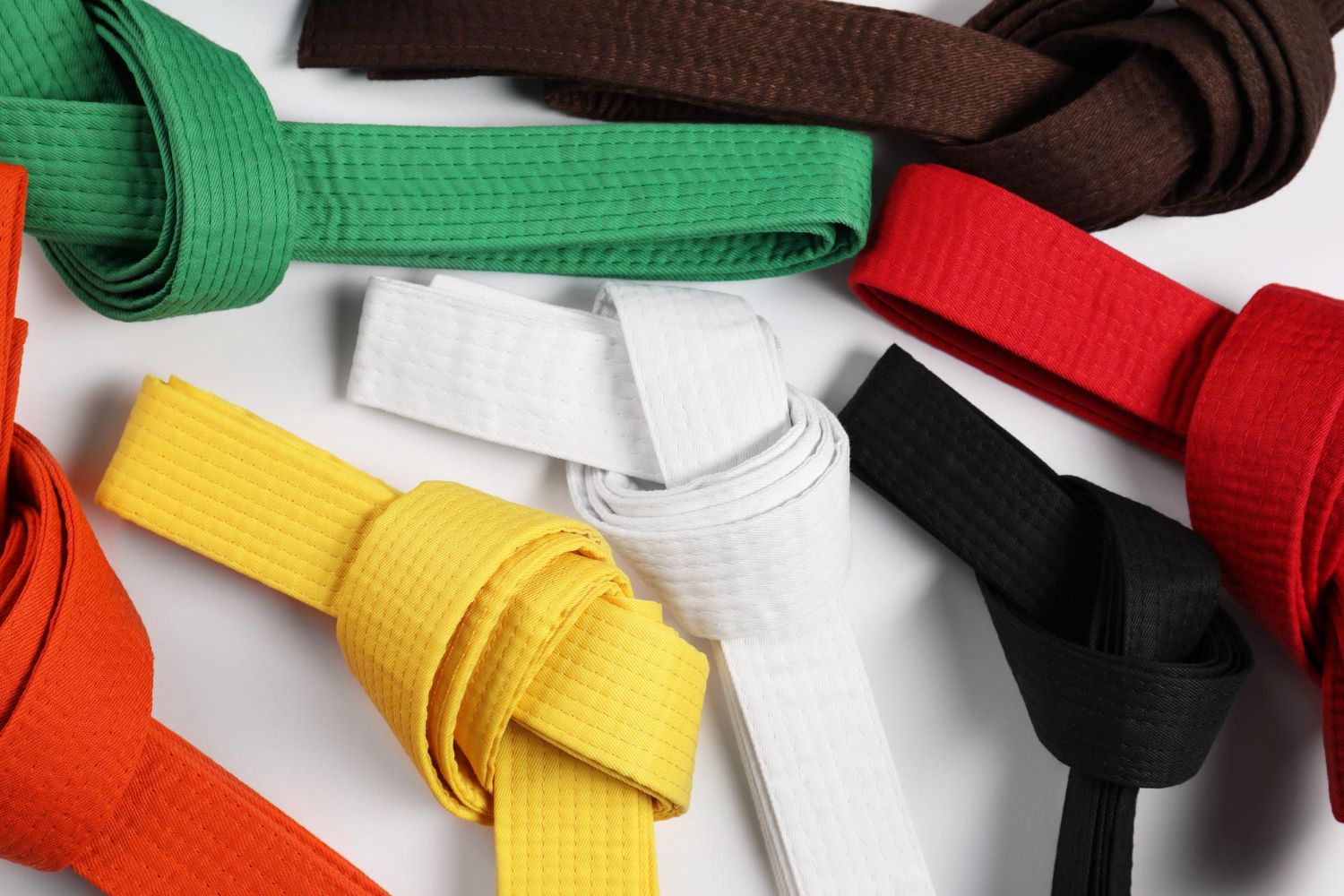
The common adult judo belt order is white, yellow, orange, green, blue, brown, then black. White through brown are kyu grades. Black marks the beginning of the dan grades.
National federations set their own promotion systems, so treat this sequence as a practical reference rather than a universal rule. Youth colors, split grades, and examination requirements can differ by country and organization.
Brazilian jiu-jitsu uses a different progression. Our BJJ belt order guide shows its adult and children’s ranks, stripes, and IBJJF age requirements.
Judo Belts in Order
The chart follows the adult progression used by many judo clubs, from a beginner’s white belt to the first black-belt rank.
-
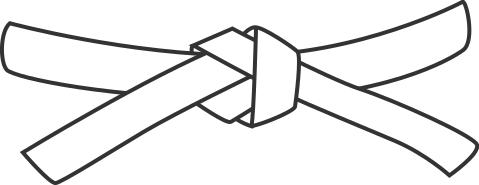 White
6th kyu
White
6th kyu
-
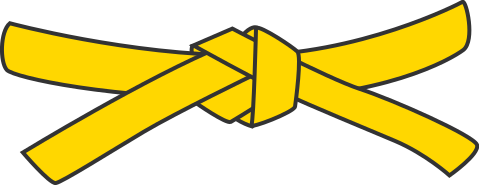 Yellow
5th kyu
Yellow
5th kyu
-
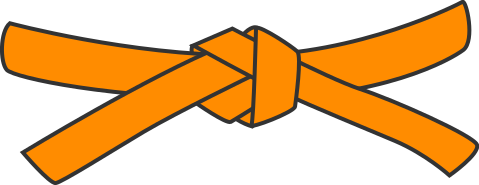 Orange
4th kyu
Orange
4th kyu
-
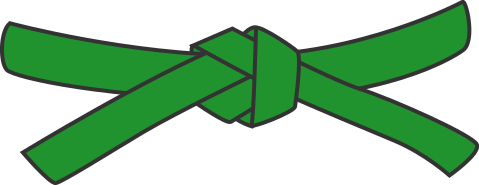 Green
3rd kyu
Green
3rd kyu
-
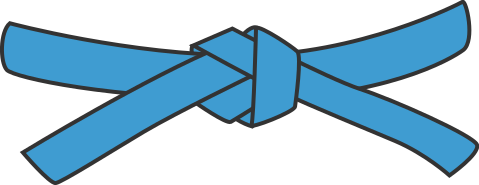 Blue
2nd kyu
Blue
2nd kyu
-
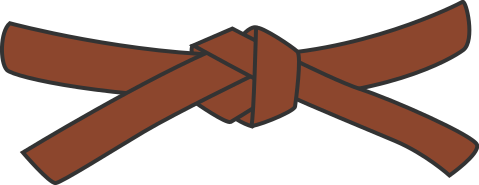 Brown
1st kyu
Brown
1st kyu
-
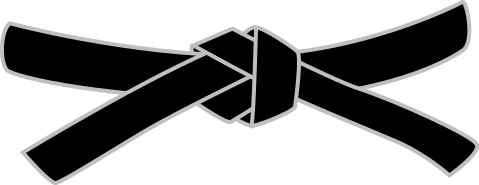 Black
1st dan
Black
1st dan
Common adult sequence. Your federation's syllabus determines the grades and promotion rules used at your club.
Common Adult Kyu Order
The six colored belts before black form the common adult kyu sequence. Kyu numbers count down as the judoka advances:
- White (6th kyu). Entry grade.
- Yellow (5th kyu).
- Orange (4th kyu).
- Green (3rd kyu).
- Blue (2nd kyu).
- Brown (1st kyu). Final kyu before first dan.
Some federations use additional panels, stripes, or intermediate grades, particularly for children. The color order shown above is common, but the rank attached to each belt can vary.
Dan Grades
After 1st kyu, promotion to 1st dan, or shodan, begins the black-belt ranks. The chart stops at black because dan is a new grade sequence rather than another set of adult kyu colors.
- Black is used for the lower dan grades.
- Red and white is associated with senior dan grades.
- Red is reserved for the highest dan grades.
The exact right to wear each belt and the route to each grade come from the governing federation, not from a generic online chart.
Official 2026 Reference
The International Judo Federation publishes a colour-belts programme, dan regulations, a belt-grades guide, and official dan-award resources on its IJF grading documents page. The IJF describes the colour-belt programme as a pedagogical framework while national systems handle implementation.
If your club belongs to a national federation, use that federation’s current syllabus for:
- Minimum age.
- Technical requirements.
- Competition or technical pathways.
- Kata.
- Time in grade.
- Registration and examination rules.
How Long Between Belts?
There is no authoritative global timetable. A fixed table of months between colors would mix different federations, ages, attendance patterns, and assessment systems. Ask your coach which syllabus applies and measure progress against its competencies rather than an unsupported calendar.
Youth Belts
Youth systems often contain more steps so children can receive age-appropriate feedback without being moved into the adult dan pathway too early. Colors and transition ages vary by federation; parents should consult the club’s published grading scheme.
Tracking Grades in a Judo Club
Club records should follow the grading system used by the relevant federation. MatGoat’s judo software lets instructors configure kyu and dan grades, record promotion dates, review attendance, and keep each judoka’s history in one profile.
Check Your Club’s Syllabus
Use the chart to learn the common order, then check your club’s current federation syllabus before preparing for a grading. That document defines the colors, techniques, time requirements, and examination route that apply to you.
Frequently asked questions
What is the correct order of judo belts for adults?
The standard adult progression is white (6th kyu), yellow (5th kyu), orange (4th kyu), green (3rd kyu), blue (2nd kyu), brown (1st kyu), and black (1st dan).
What is the difference between kyu and dan ranks in judo?
Kyu grades represent beginner and intermediate ranks prior to the black belt, counting downward from sixth to first kyu. Dan ranks represent advanced degrees, counting upward starting with the first-degree black belt (shodan).
How long does it take to get a black belt in judo?
Most dedicated practitioners require four to six years of consistent practice, training three to four times per week, to satisfy technical and competition requirements.
Are there belts higher than the black belt in judo?
Yes. Sixth through eighth dan judokas wear the alternating red-and-white panel belt (kohaku obi), while ninth and tenth dan practitioners wear a solid red belt.

Founder of MatGoat and a software engineer with more than 20 years of experience building software products. He has practiced BJJ since 2021 and develops MatGoat using feedback from martial arts academies.
View full profile

